
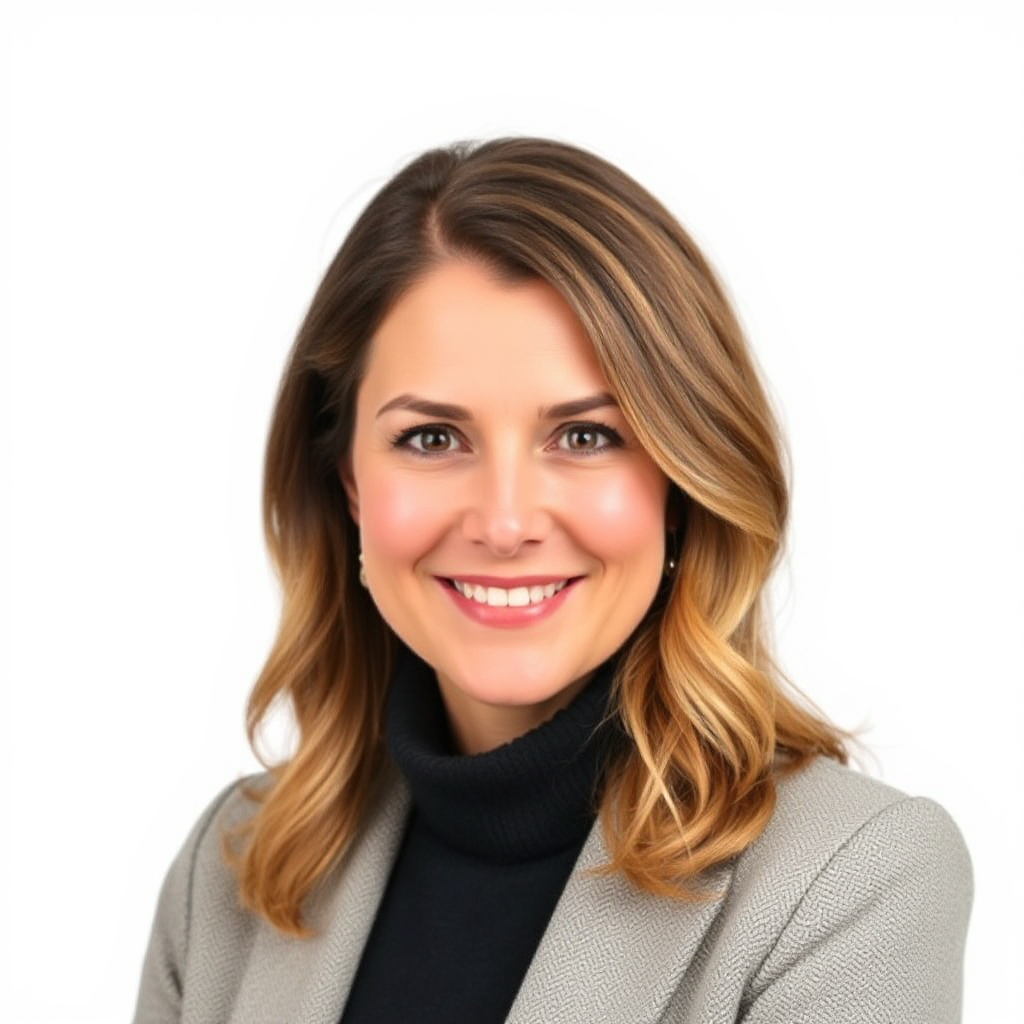

Previous Google boss has been officially named as the BBC's next chief executive.
The ex-president of Google's EMEA operations will succeed Tim Davie, who announced his departure in November in the wake of a storm over how a Panorama presented a address by Donald Trump.
The BBC's chairman stated that Brittin, who left Google in the previous year after a long tenure, "provides the BBC extensive expertise of guiding a prestigious and complex organisation during transformation".
The 57-year-old said he "is excited to commence this task", calling it "a moment of genuine challenge, yet also genuine possibility".
He added that the country must have "a robust BBC that benefits all in a complex, uncertain and rapidly evolving environment".
Outlining his agenda, he added: "It must have the momentum and drive to be simultaneously where stories are, and where audiences are. To enhance the audience, reputation and production quality now, tackle challenges with courage, and thrive as a public service fit for the future."
'Major Change'
Shah described the new appointee "an outstanding leader" with "the skills necessary to navigate the corporation through the many shifts taking place in the media market and in audience behaviours".
The chairman also highlighted his "passion for the BBC, his grasp of the problems confronting the institution, his allegiance to its autonomy and his drive to maintain the BBC's position as one of the country's key public institutions".
The incoming chief arrives at "a pivotal time", as the government reviews the BBC's constitutional framework, the chairman continued.
"Undoubtedly there is need for radical reform of the BBC, its licence fee system and the framework in which it works. The risks for the BBC, and the prospects of public service broadcasting, have never been greater."

The corporation's top job is regarded to be one of the most challenging in the UK's journalism.
During Davie's time in office as the BBC's 17th chief, he was responsible for managing a succession of scandals and difficult periods at the corporation.
Brittin's key tasks will encompass addressing a multi-billion dollar defamation claim filed by the American leader against the BBC.
Trump is objecting to the way the documentary edited together two sections of a address he gave on a key date, for which the BBC has expressed regret.
Last week the organisation petitioned a court to throw out the lawsuit, arguing the controversial programme did not transmit in the America.
BBC at a Critical Juncture
The new director general arrives at a crucial moment for the BBC in several areas, too.
He will continue talks with the ministers on the broadcaster's charter and the fate of the licence fee and public service budget.
The current framework, which outlines the terms and purposes of the BBC's role, will come to an end in the near future.
Brittin's selection also occurs at a moment when the BBC is competing with tech giants in the streaming landscape.
The search engine's corporate entity operates YouTube, with which the BBC has disclosed a major partnership to create bespoke material.
Big Tech Experience a Asset?
Several figures inside Google "are full of praise" about Brittin, as an motivational leader and a excellent team player".
Some have questioned the BBC's choice of someone with a career history in technology rather than public service or established journalistic experience.
However, it is reported that "the board selected him by the BBC's governing body for his insider knowledge of major tech firms. There's an belief he will champion the shift to online, for example in news. He'll also probably prioritise revamping and innovating BBC iPlayer."
Ex- BBC Newsnight editor Peter Barron, who collaborated with Brittin at Google, said he is "deeply inspired by a sense of serving the public".
"He admires the BBC for its reliable journalism and its originality, but he's also very conscious of its legacy as a technological leader.
"He wants the BBC to succeed in a environment where a lot of its greatest challenges are connected to technology, whether that's the dominance of the streamers, digital false information, or merely how the public want to consume programmes.
"In light of his background and contacts throughout the digital world, and also the connections he's built with TV networks, the press, oversight bodies and authorities, I think he's ideally suited to meet the tasks."
Who is Matt Brittin?

Born in Surrey, he received a qualification from the University of Cambridge, while also rowing for them in the annual race on three occasions.
He also rowed for Britain and won|secured|earned


